


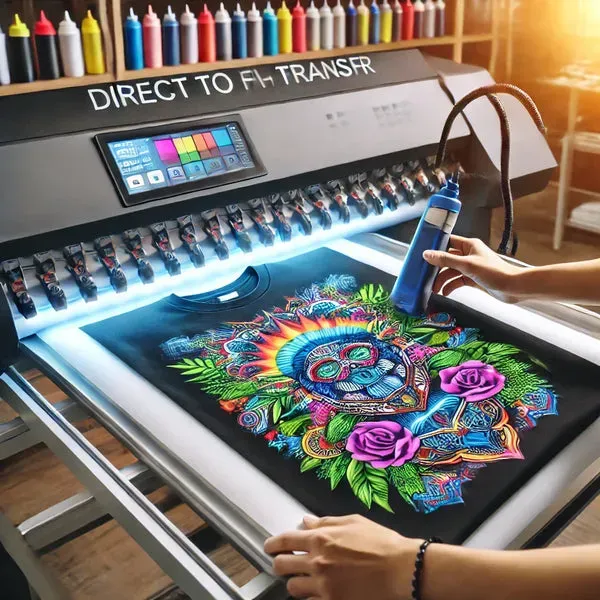
Eco-Friendly UV DTF Transfers are evolving how brands, makers, and print shops deliver bold graphics while cutting environmental impact, blending vibrant color fidelity with a footprint-conscious workflow that prioritizes cleaner production, responsible waste management, and verifiable green claims, with transparent reporting, third-party verification, and ongoing improvement. These transfers use film-based decor combined with UV-curable inks, a combination that can support Green DTF printing and reduce emissions when suppliers prioritize safer chemistries, energy-efficient curing, recyclable packaging, and robust lifecycle data, and this approach supports traceability from ink batch to finished product through documented metrics. Maximizing sustainability also means considering Sustainable heat transfer options, environmentally friendly garment printing principles, and a careful look at the DTF printing environmental impact across sourcing, production, distribution, and end-of-life, including consumer usage and post-consumer recycling, including water usage, packaging choices, and potential for take-back programs. To choose truly responsible options, buyers should seek low-VOC inks, recyclable liners, energy-efficient equipment, and data-driven transparency from suppliers, all while aligning with Eco-conscious apparel transfers and broader green goals through third-party certifications and ongoing supplier audits, this mindset also involves evaluating supply chain ethics, worker safety, and local environmental regulations, and ensuring supplier relationships are built on long-term collaboration rather than short-term cost cutting. By keeping these factors front and center, brands can enjoy durable, vibrant results without compromising their sustainability commitments, building trust with customers who value ethical manufacturing and measurable environmental performance, ultimately achieving measurable impact, greater brand equity, and reduced waste across product lifecycles through lifecycle thinking, including consumer education and post-purchase recycling options.
From a broader standpoint, the idea can be framed as environmentally responsible DTF decor using UV-curable inks on film, or as sustainable film-to-fabric decoration powered by low-energy curing. Other near-synonyms include green garment branding with film transfers, eco-friendly print-on-film methods, and conscious decoration that prioritizes safe chemistries, recyclability, and lifecycle transparency. The goal is to connect product quality with responsible production, so buyers can compare options using related signals such as low emissions, recyclable components, and third-party certifications, without getting hung up on the naming.
Eco-Friendly UV DTF Transfers and the Green DTF Printing Landscape
Eco-Friendly UV DTF Transfers sit at the intersection of vibrant graphics and responsible manufacturing. When brands pursue Eco-conscious apparel transfers, they often weigh the benefits of green DTF printing against the full lifecycle of the ink, film, and adhesive system. This frame emphasizes the broader ecosystem—how UV-curable inks, powder sets, and transfer films align with safer chemistries, energy efficiency, and responsible waste practices to support environmentally friendly garment printing.
In practice, the green potential of UV DTF transfers depends on the choices made across suppliers and workflows. Evaluators look at ink VOC content, liner recyclability, and the ability to reduce waste through on-demand production. By examining the DTF printing environmental impact from raw materials to end-of-life disposal, brands can determine whether a given transfer pathway meets their sustainability goals without sacrificing color fidelity or durability.
Ink Chemistry and Material Choices for Environmentally Friendly Garment Printing
The backbone of any eco-minded DTF project is the ink chemistry. Low-VOC or non-toxic ink formulations reduce emissions during printing and in indoor work environments, while UV-curable systems can shorten curing times and conserve energy when formulated for efficiency. For environmentally friendly garment printing, the emphasis is on safety profiles, minimal hazardous constituents, and robust performance across fabrics.
Beyond inks, the bonding powders, adhesives, transfer film, and liners play a crucial role. Recyclable or reusable liners, recyclable film materials, and waste-minimizing processes help tilt the balance toward sustainability. When end-of-life handling is considered—whether through take-back programs or recycling options—the overall eco-credentials of the transfer improve, aligning with green DTF printing practices.
Measuring Sustainability: Energy, Waste, and the DTF Printing Environmental Impact
A practical sustainability assessment examines energy use, curing temperatures, and overall machine efficiency. Sustainable heat transfer hinges on optimizing these parameters to minimize electricity consumption without compromising print quality. By tracking energy per print and heat-press runtime, brands can compare options and push for greener equipment and workflows.
Waste management is another cornerstone. From misprints and misfeeds to adhesive residue and spent liners, a green approach seeks to reduce, recycle, or responsibly dispose of waste. Transparency about supply-chain data, including life cycle data and environmental product declarations (EPDs), helps buyers quantify improvements and make better decisions about eco-conscious apparel transfers.
Practical Steps for Sustainable Heat Transfer with DTF: On-Demand and Beyond
Adopting on-demand production reduces excess inventory and minimizes waste, aligning with sustainable heat transfer principles. When paired with recyclable or take-back options for liners and films, this approach strengthens the environmental case for Eco-Friendly UV DTF Transfers and related green processes.
A data-driven supplier relationship accelerates progress. Require ingredient disclosures, third-party certifications, and performance data on durability and washability. By prioritizing energy-efficient equipment and clear waste programs, brands can realize measurable gains in environmental performance while preserving print quality and customer satisfaction.
Case Studies: Real-World Outcomes in Eco-Conscious Apparel Transfers
Small-batch fashion brands that switch to Eco-friendly UV DTF transfers often report reduced waste and faster turnaround times thanks to on-demand production. When these projects also include low-VOC inks and liner recycling, the overall environmental footprint tightens. The result is a compelling blend of vibrant designs and responsible manufacturing in action, aligning with eco-conscious apparel transfers.
Indie labels and print-on-demand retailers frequently highlight supplier transparency and take-back programs as differentiators. By choosing materials with recyclable liners and participating in recycling initiatives, these brands demonstrate a credible green story while maintaining performance across a variety of fabrics.
Choosing Suppliers: Data-Driven Evaluation Beyond Greenwashing
To avoid greenwashing, brands should demand verifiable environmental data, including LCAs or EPDs where available. A rigorous evaluation considers ink formulations, energy use per print, waste per run, and end-of-life options, helping brands compare options within the broader lens of DTF printing environmental impact.
Ask targeted questions that reveal true sustainability commitments: Are the inks low-VOC and safe? Do liners and films have take-back or recycling options? What certifications exist for the supplier’s processes? A robust, data-supported approach ensures that choices support green DTF printing, responsibly managed supply chains, and durable, high-quality outputs that satisfy customers and sustainability goals.
Frequently Asked Questions
What are Eco-Friendly UV DTF Transfers and how do they relate to Green DTF printing?
Eco-Friendly UV DTF Transfers use UV-curable inks on a DTF transfer film and are heat-pressed onto fabric. They relate to Green DTF printing when ink chemistry is low-VOC, liners are recyclable, and curing and workflow minimize energy and waste, making them a greener option than traditional methods.
How do ink chemistry and energy use affect the DTF printing environmental impact for Eco-Friendly UV DTF transfers?
In Eco-Friendly UV DTF transfers, safer ink chemistries with low VOCs reduce emissions, while energy use depends on cure times and equipment efficiency. Choosing energy-efficient UV printers and optimizing cure conditions helps lower the overall DTF printing environmental impact.
What should brands look for to ensure Eco-Friendly UV DTF transfers align with environmentally friendly garment printing goals?
Look for full ingredient disclosures, third-party certifications, recyclable or reusable liners, and take-back or recycling programs. Request life cycle data (LCAs/EPDs) when available to verify that Eco-Friendly UV DTF transfers truly support environmentally friendly garment printing.
Can Eco-Friendly UV DTF transfers deliver durable results without increasing the DTF printing environmental impact?
Yes. If inks and adhesives provide strong color fastness and wash durability, Eco-Friendly UV DTF transfers can minimize reprints and waste, reducing the environmental impact. Ask for independent wash tests to confirm performance alongside sustainability.
What practical steps can brands take to implement Sustainable heat transfer using Eco-Friendly UV DTF transfers?
Adopt on-demand production, choose recyclable or reusable transfer components, and work with suppliers offering liner recycling or take-back programs. Use energy-efficient heat presses and optimize curing times to reduce energy use, while tracking waste per run.
What questions should brands ask suppliers about the DTF printing environmental impact when considering Eco-Friendly UV DTF transfers?
Ask about ink VOC levels and safety, adhesive and film recyclability, packaging sustainability, and waste programs. Request LCAs or EPDs, and seek transparent data on energy use and end-of-life options to compare Eco-Friendly UV DTF transfers effectively.
| Aspect | Key Points | Notes / Examples |
|---|---|---|
| What UV DTF transfers are | Direct-to-film printing with UV-curable inks (in some variants); bonding powder; heat-press to fabric; rapid curing and strong color fidelity, especially on synthetic fabrics | Popular for small-batch runs and on-demand printing; environmental scrutiny focuses on process Eco-friendliness. |
| Eco-criteria | Ink chemistry and emissions; adhesives/powders; film/liner materials; energy use; waste management; supply chain transparency | Low-VOC inks, recyclable/reusable liners, energy-efficient equipment, lifecycle data (LCAs/EPDs) improve overall scores. |
| Is it inherently green? | Not inherently green; can be greener if safer chemistries, reduced waste, and energy efficiency are prioritized | Depends on implementation; strong green potential with safer inks, recyclable liners, and transparent sustainability plans. |
| Relation to related approaches | Green DTF printing emphasizes safer inks/materials and waste management; Sustainable heat transfer and environmentally friendly garment printing; lifecycle view of DTF impact | Green DTF aligns with Eco-Friendly UV DTF transfers when materials and workflows minimize environmental impact. |
| Practical guidance | Full ingredient disclosure; recyclable/reusable components; on-demand production; energy-efficient equipment; transparency on environmental data; consider dye/binder chemistry; build sustainability-focused supplier partnerships | Ask for LCAs/EPDs; explore take-back programs; prioritize data-driven supplier evaluation. |
| Real-world considerations | Durability and washability should not be sacrificed; verify wash tests and color-fastness data | Longer-lasting designs reduce reprints and material waste. |
| Case studies | Small-batch fashion brand, indie streetwear, and print-on-demand retailer examples | Showcases greener implementation paths and business alignment with sustainability goals. |
Summary
Eco-Friendly UV DTF Transfers provide a viable path to greener garment decoration when implemented with mindful choices around ink chemistry, film materials, energy use, and waste management. A lifecycle-aware approach—including transparent supplier data, waste reduction, and on-demand production—helps brands compare options and avoid greenwashing. Prioritizing recyclable or reusable components, energy-efficient equipment, and data-driven sustainability assessments can significantly reduce the environmental footprint while preserving design quality and durability.